Tools to Boost Kids’ Self-Esteem: Books, Prompts, More
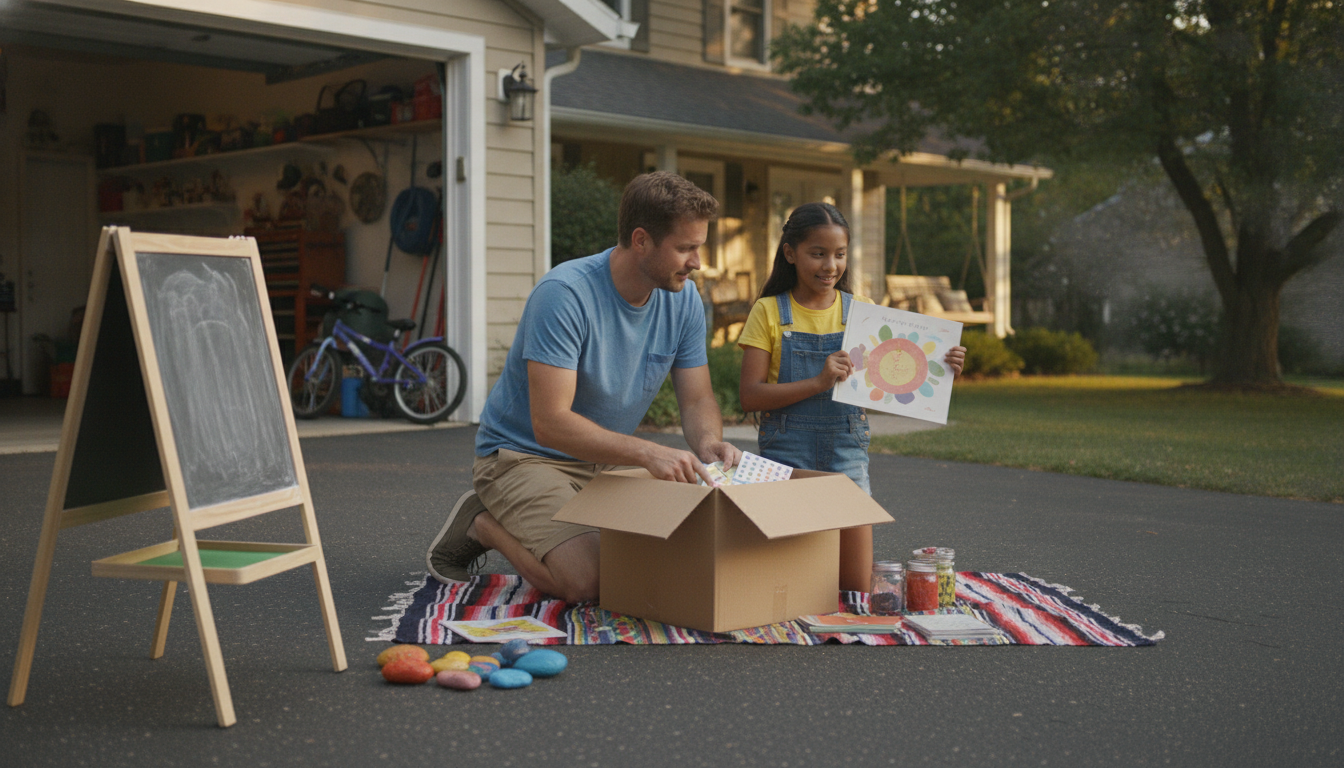
What are some tools and resources that can help improve children’s self-esteem?
Children build self-esteem through repeated experiences of being capable, valued, and understood. The most helpful tools and resources make those experiences easier to create at home and at school—through supportive language, realistic goals, and safe ways to practice skills.
Daily conversation tools
Try “strength spotting” prompts that name specific behaviors: “You kept trying even when it was hard,” or “You were kind when you included your friend.” Simple affirmation cards or a short “proud moment” journal help kids notice progress instead of waiting for perfection. For younger children, a feelings chart can reduce frustration by giving them words for emotions, which supports confidence during tough moments.
Books that normalize mistakes and growth
Picture books and chapter books that highlight perseverance, courage, and self-acceptance can be powerful mirrors for kids. Look for titles that show characters making mistakes, repairing relationships, and improving through practice. Reading together also opens the door to gentle questions like, “What would you tell that character right now?”—a natural way to teach self-compassion.
Therapy-informed resources
Cognitive behavioral therapy (CBT) workbooks for kids and teens can help them challenge harsh self-talk and replace it with realistic thoughts. Social-emotional learning (SEL) activities—often available through school counselors—teach skills like problem-solving, self-regulation, and empathy, all of which reinforce a child’s sense of competence.
Skill-building activities that create “wins”
Confidence grows when kids master manageable challenges. Clubs, sports, music lessons, art classes, and STEM kits can help—especially when adults emphasize effort, practice, and enjoyment over trophies. Break goals into small steps and celebrate the process: showing up, practicing, asking for help, and trying again.
For a deeper list of ideas and practical ways to use them, visit the main guide here: https://modernoffersstudio.shop/what-are-some-tools-and-resources-that-can-help-improve-children-s-self-esteem/.
FAQ
How can parents praise children without creating pressure?
Focus praise on specific effort and strategies (“You practiced your spelling in a new way”) rather than fixed traits (“You’re so smart”). Pair it with curiosity—ask what felt challenging and what they want to try next.












Leave a comment